
On Merit: Marcia Chiasson Enters the UWW Americas Hall of Fame
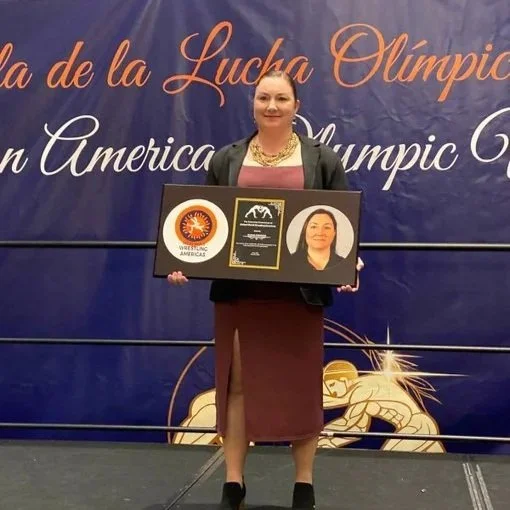
Marcia Chiasson, a UWW Category I-S referee, has been inducted into the UWW Americas Hall of Fame.
No surprise there. If you have followed international wrestling long enough, you have seen her on serious mats; in matches that carry weight. Being on the mat is one thing. Being on the right mat is another.
For Canada, it’s a point of pride. For the sport, it reflects something more familiar: women have been part of officiating for years, but far fewer are consistently assigned to the highest levels.
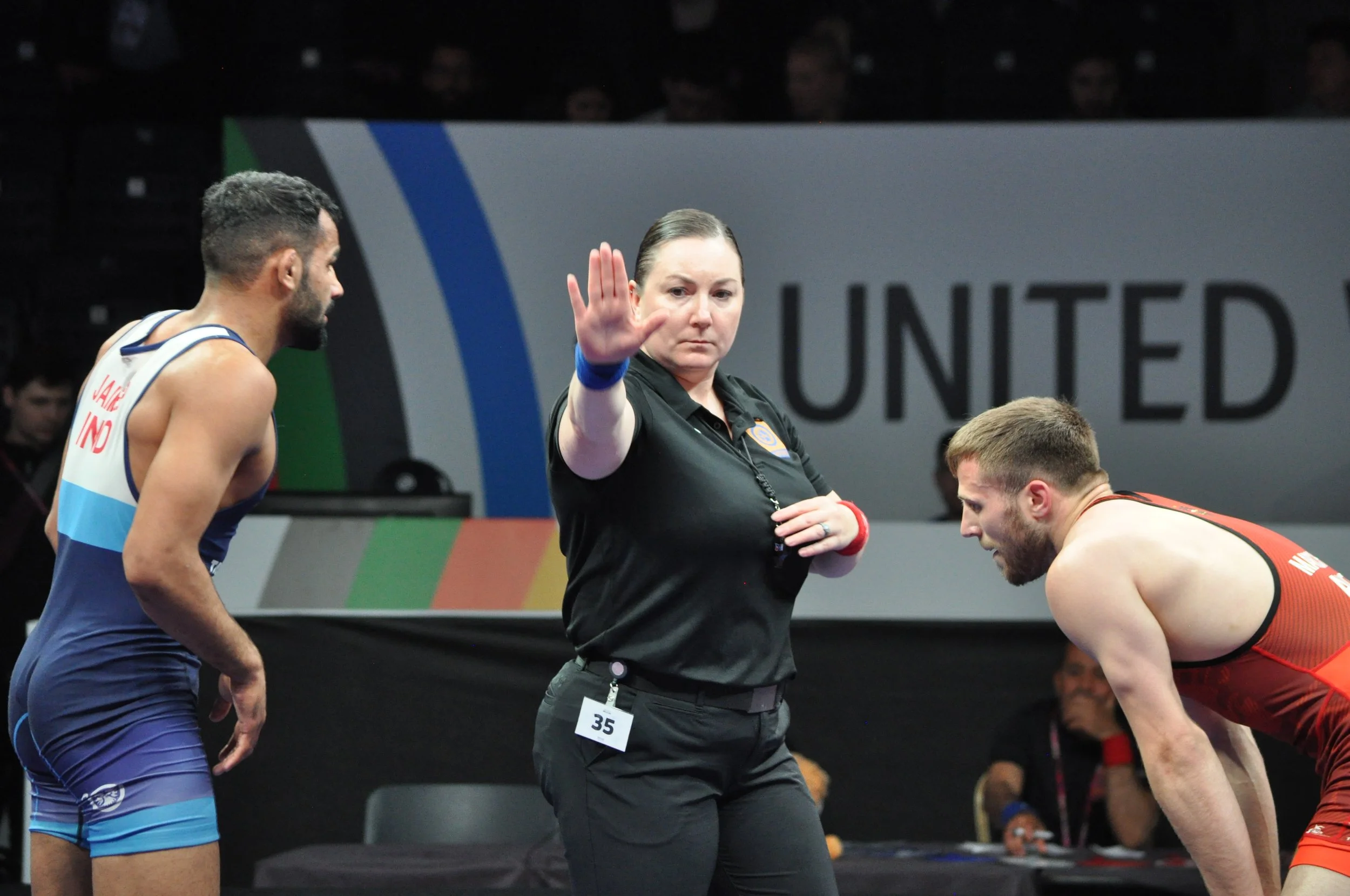
Marcia Chiasson, 2024 Olympic Qualifier - Istanbul, Turkey — ©WrestlingPodiumRadio
A Career Built Where It Counts
Officiating at that level does not happen by chance. You get evaluated, tested, and watched repeatedly. The margin for error is small, and not everyone stays in that rotation. Chiasson did. Her career reflects what matters at that level: control, consistency, and decision-making under pressure. The kind of presence that keeps you in those matches when the stakes are highest.
Reaching top categories like UWW I-S and Olympic assignments takes more than skill. It requires access, trust, and repeated exposure on major stages; opportunities that haven’t been equally available to everyone.
Where Women Actually Stand
Women have been part of wrestling officiating for years. But when you look at the assignments that carry the most pressure, the list is still short.
Who gets the World Championship finals, Olympic assignments and medal matches? That’s where the gap shows.
The Canadian Context
Canada has been more progressive than many nations in developing female officials, yet even here, getting from participation to consistent top-level assignments isn’t automatic. It still depends on who gets seen, who gets trusted, and who keeps getting called back. You still don’t see many women consistently assigned to finals and medal matches. That gap matters.
Recognition vs. Representation
Hall of Fame inductions celebrate careers, but they also risk becoming symbolic if not matched with structural change. Chiasson’s induction should not be viewed as the peak of representation, but as a reminder: The pathway exists but it is still narrow.
Merit Still Comes First
Expanding opportunities should not be confused with lowering standards. At the highest level of officiating, assignments come down to competence, consistency, and decision-making under pressure. Being female, on its own, is not a qualification for top categories. Chiasson meets that standard. Clearly. Her career reflects the level of control, presence, and technical command expected on the biggest stages.
The issue is not about replacing merit with representation; it’s about ensuring that those who meet the standard are actually given the same pathway, exposure, and trust to reach and stay at the top.
Recognition is important. But access to the highest level of the sport is what truly defines progress. Now watch who gets the assignments.