
Kheyrollah Ghahramani: Where Experience Meets Community
A Champion's Second Beginning
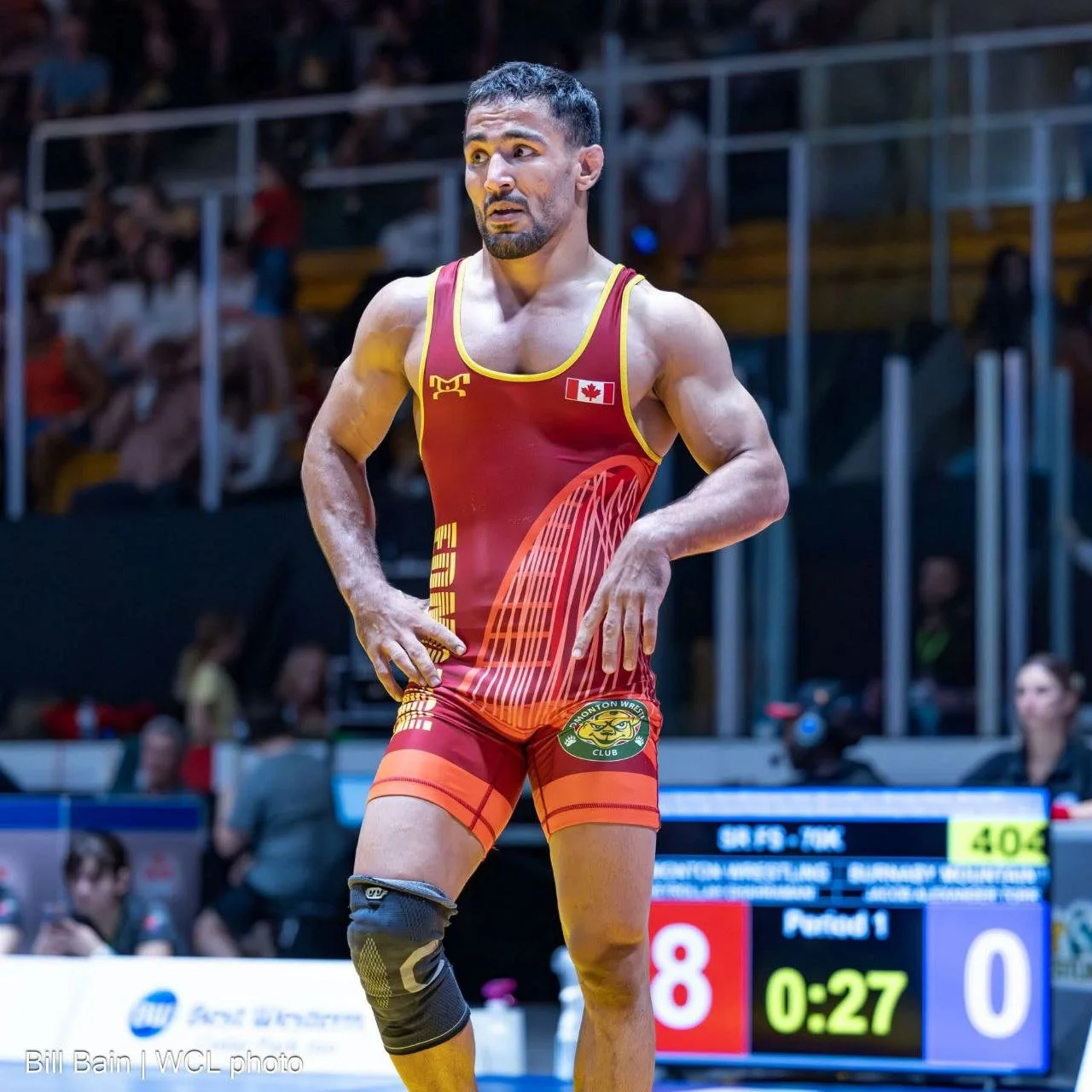
When Kheyrollah Ghahramani walked into Edmonton Wrestling Club for the first time, he wasn't beginning his wrestling career. He was beginning again.
Years of international competition, technical knowledge, and coaching experience had travelled with him to Canada. But experience alone could not erase the realities of starting over. He was adapting to a new country, communicating in a language that wasn't his first, learning a different sporting culture, and building relationships with people who knew little about the wrestling career he had built before arriving.
The wrestling mat felt familiar. But everything around it was new.
For many newcomers, rebuilding a life means rebuilding a profession. In wrestling, it also means earning trust inside a community. Coaching requires more than demonstrating technique. It means explaining details, communicating clearly, understanding different learning styles, and connecting with athletes and fellow coaches.
English was not Ghahramani's first language, and adapting his coaching to a new environment took time. Yet wrestling provided its own language. Practice after practice, conversations became easier, relationships grew stronger, and what initially felt unfamiliar gradually became part of everyday life.
Before long, Ghahramani had become more than a new athlete at Edmonton Wrestling Club. Alongside training and competing, he joined the club's junior coaching program, helping young wrestlers develop their skills while sharing the technical knowledge and international perspective shaped by a lifetime in one of the world's strongest wrestling traditions.
His journey also meant adapting to a different wrestling culture. Coming from a country where wrestling holds deep cultural significance and elite technical development begins at an early age, he encountered a system with different priorities, different coaching approaches, and different levels of experience. Rather than comparing the two, he focused on contributing where he could. Every practice became an exchange.
Young wrestlers learned new techniques. Training partners were exposed to different tactical approaches. Coaches gained another experienced voice in the room. At the same time, Ghahramani continued learning about Canadian wrestling, its athletes, and the community he was becoming part of.
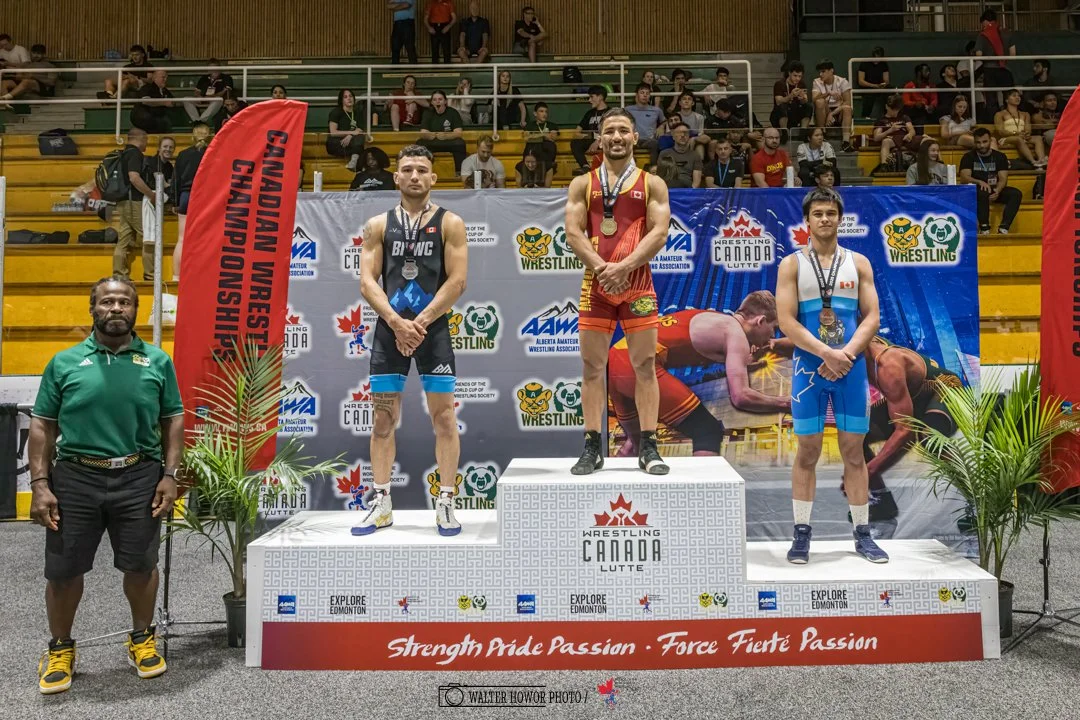
Less than a year after arriving in Canada, he won the Canadian Senior National Championship. The result confirmed his ability as an athlete, but it did not define his contribution.
Like many immigrant athletes, international representation requires more than athletic success. Eligibility rules mean that even after becoming a national champion, he must wait before he can represent Canada at World Championships and other international events.
While that opportunity remains ahead, his contribution is already visible every week inside the wrestling room. As an assistant coach, training partner, and mentor, he has become part of the daily life of Edmonton Wrestling Club. His knowledge is helping young athletes grow, strengthening training environments, and creating opportunities for the exchange of ideas between different wrestling cultures. His story reflects something increasingly important in Canadian wrestling.
As clubs welcome athletes from around the world, they gain more than new competitors. They gain new perspectives, technical knowledge, coaching experience, and different ways of understanding the sport. Building strong wrestling communities is not only about developing champions—it is also about creating spaces where experience can be shared, relationships can grow, and people can build a sense of belonging.
For Ghahramani, wrestling became more than a path back to competition. It became a way to build community.
Long before he becomes eligible to wear the maple leaf on the international stage, he is already contributing to Canadian wrestling, not only through the matches he wins, but through the knowledge he shares, the young athletes he mentors, and the community he continues to help strengthen, one practice at a time.